

How is the appropriate size of a solar PV installation determined?
The size of a solar PV installation depends on more than the number of photovoltaic modules that can fit on the roof. Electricity consumption and…
Read Guide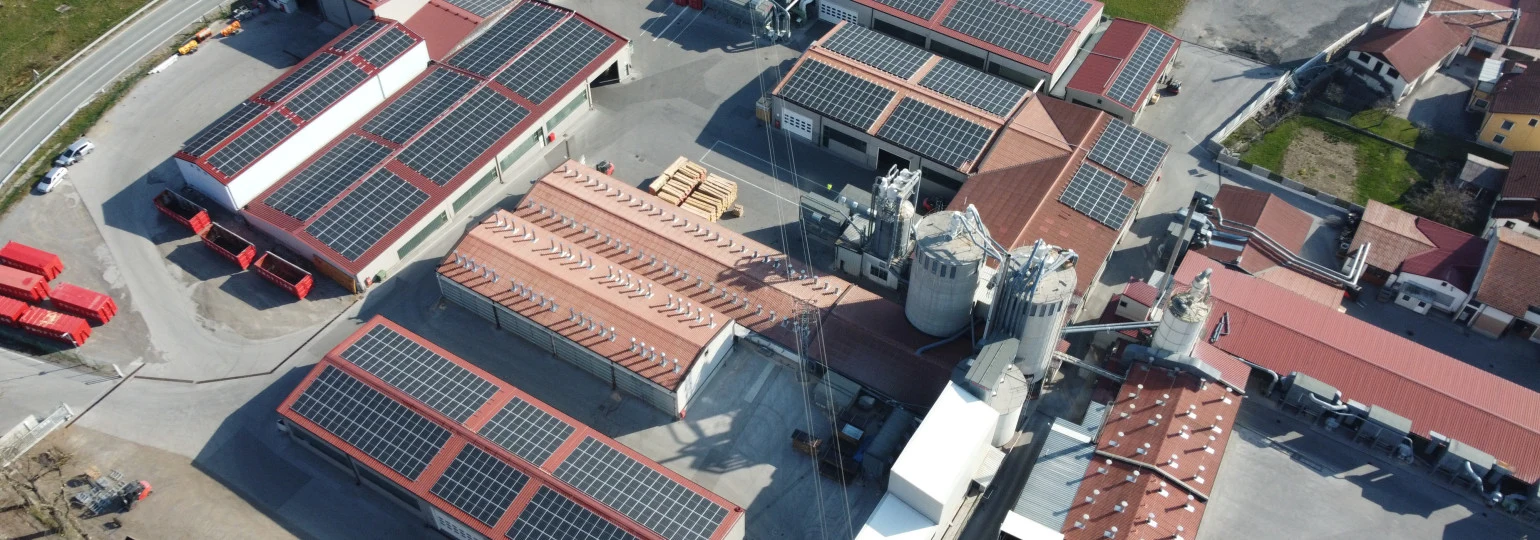
For a business, solar PV provides electricity generated on site that can be used by its premises. The design also depends on when the business needs energy and what grid connection options are available.
We consider the actual demand profile, available surfaces, existing electrical infrastructure and the site's future development needs. We combine system planning, engineering, installation and commissioning in a single process, for smaller commercial premises as well as more demanding industrial systems.
We Adapt Rooftop or Ground-mounted Solar PV Designs to Site and Grid Connection Constraints, Including the Option to Integrate Battery Storage.
Sizing PV solely from roof area is not appropriate. Working hours, daily and seasonal demand, possible peaks, and options for using or exporting generated electricity all affect design. Where reliable data are available, a time-based demand profile supports a more accurate assessment of expected system operation.
For businesses with significant demand changes or planned new loads, we also account for future needs so that the technical design is not limited to the current situation.
For rooftop PV, we assess available area, roof covering and supporting structure, pitch, shading, fastening options and access for installation and later maintenance. On the electrical side, the existing distribution infrastructure and design of connections, protection and metering are important.
Every site requires its own technical assessment. For larger buildings, PV installation must also be coordinated with the building's operations and construction planning.
Grid connection conditions may restrict PV capacity or how electricity may be exported. Coordination with the relevant parties is therefore part of design and engineering, not merely final administration.
Where required, the system design includes suitable metering and control functions to operate within approved conditions.
Battery storage can save some generated electricity, shift when it is used and manage power demand. It is not automatically the right choice: power, capacity and operating strategy must be assessed against consumption, generation, connection limits and intended objectives.
At sites with several PV arrays, batteries or major loads, coordinated operation matters. Technical integration and commissioning are part of installation; advanced energy and market management can be provided by Flexgrid through its services.
The process covers initial assessment, technical solution and proposal, engineering, necessary documentation and approvals, equipment supply, installation, electrical connections, grid connection and commissioning. Where appropriate, phased installation is also considered, such as adding a battery or charging infrastructure later.
After commissioning, inspections, measurements, thermography, cleaning and preventative or contracted maintenance are available.
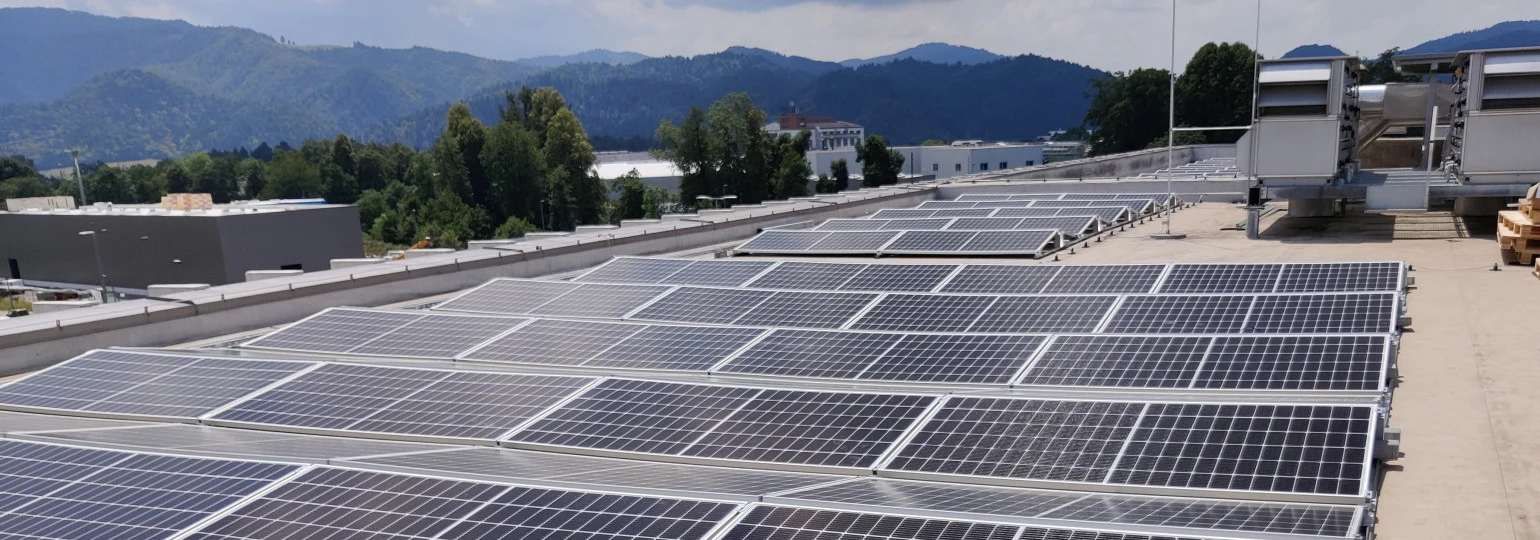
We assess available areas, structural conditions, consumption and technical requirements, then align the solution with the business's needs.
Photograph of a Completed Solar PV Installation.The size of a solar PV installation depends on more than the number of photovoltaic modules that can fit on the roof. Electricity consumption and…
Read GuideIn addition to surface area, assess load-bearing capacity, roof covering, fixings, wind and snow loads, access routes, fire safety and electrical cable routes.
Read AnswerThe system adjusts its electricity export to stay within a specified limit at the grid connection point. Suitable metering and control are essential to its operation.
Read AnswerChoose the technologies and describe your requirements. At the end of the configurator, you can prepare an enquiry; direct contact remains available.