

When is an AC charger preferable to a DC charger, and vice versa?
The key factors are how long the vehicle can remain connected, the energy required, vehicle capabilities and the electrical power available on site.
Read AnswerA home charger lets you charge your electric vehicle where you normally park. Charging can then be adapted to everyday vehicle use, available household electrical power and, where appropriate, generation from your own solar PV system.
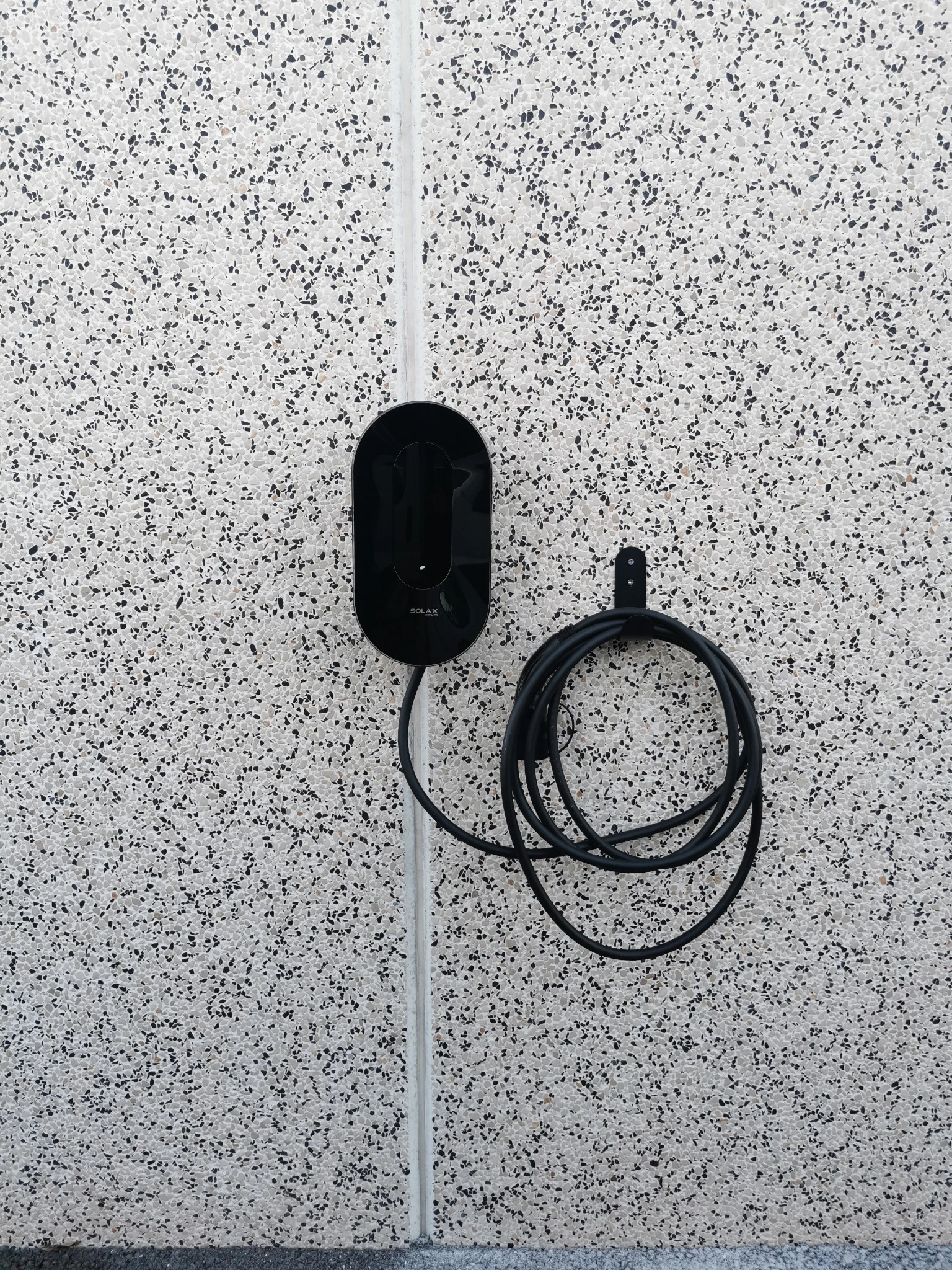
We assess the capacity of your home's grid connection, electrical installation and how you use the vehicle. Based on this, we select a suitable charger, including options from go-e or SolaX, and arrange the necessary connections, protection, settings and operational tests.
Build Your Solution
Charging power is adapted to the electrical installation, consumption and options for integration with solar PV.
Several household appliances often operate simultaneously, so charging at maximum power is not always sensible. With suitable metering equipment, some chargers can automatically adapt charging power to the building's current electricity demand.
Where the home has solar PV, compatible equipment can adjust charging to the generation available. This makes the vehicle part of a wider household energy system; actual operation depends on the devices and their settings.
Installation includes checking the electrical system, choosing the mounting location, making the necessary connections, providing protection, fitting and configuring the charger. The Products & Distribution section also presents go-e equipment that can be ordered separately.
The key factors are how long the vehicle can remain connected, the energy required, vehicle capabilities and the electrical power available on site.
Read AnswerCharging power adjusts to other site loads and restrictions, provided the equipment supports the required metering and communication.
Read AnswerTotal electricity demand, available connection capacity, cables, protection, routing, parking-bay layout and options for future expansion.
Read AnswerChoose the technologies and describe your requirements. At the end of the configurator, you can prepare an enquiry; direct contact remains available.